
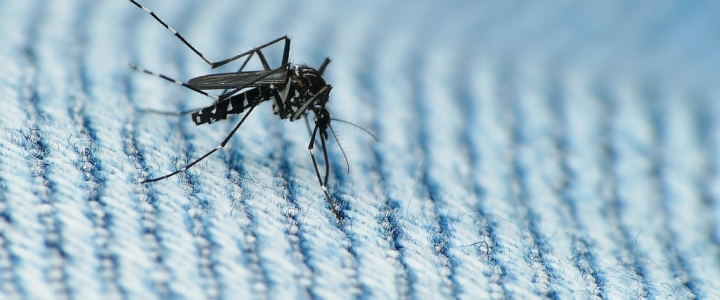
Zika is a mosquito-borne viral disease caused by the Zika virus (ZIKV) that has recently been spreading through the South Pacific and Latin America. The importance of a rapid research response to the Zika outbreak is highlighted by the WHO's declaration on 1 February 2016 that the recent cluster of microcephaly cases and other neurological disorders is a Public Health Emergency of International Concern.
European Commissioner for Science and Research Mr. Carlos Moedas warned in a statement on his blog about the need to act in connection with the appearance of Zika virus, despite the fact that the risk of contagion in Europe is very small. On February 2, 2016, the European Commission launched on its website a new section of Zika virus, which will report on the activities in reducing threats of virus infection.
Horizon 2020 already offers a number of opportunities to finance projects that can help in the fight against Zika. These include:
· €40 million call for research on vaccine development for malaria and neglected infectious diseases, which includes the Zika virus;
· €10 million for research infrastructures for vector control, including the mosquitos that spread Zika;
There is also the ERA-NET programme under FP7:
· Prevention of infectious diseases in Latin America and the Caribbean
As well as launching new funding for Zika research, in December 2015 the European Commission contacted a number of ongoing research projects on dengue and other diseases related to Zika. These researchers have been asked to urgently refocus their work to the ongoing Zika epidemic.
· GloPID-R, a network of international research funders chaired by the European Commission, has held meetings to decide on research priorities and prevent duplications in funded research.
The new website on Zika.
Illustrative photo, source: flickr.com/4coniferconifer